


セミナーSeminar
JJNSセミナー開催案内
【JJNSセミナー2025: Improving Your Success at Publishing in English】
Artificial Intelligence(AI)in scholarly publishing 開催のお知らせ
-申込は12月15日正午より下部のボタンから-
公益社団法人日本看護科学学会(JANS)の英文誌 Japan Journal of Nursing
Science(JJNS)編集委員会では、2006年より、JJNSに限定せず国際誌への投稿を目指す研究者を支援するために、JJNSセミナーを開催しています。
今年度のセミナーでは、研究・出版の分野で急速に存在感を高める「人工知能(AI)」をテーマに、研究倫理、査読、出版プロセスにおけるAI活用の可能性と課題について、多角的に学べるプログラムをオンラインで配信します。配信期間は、2025年12月15日(月)正午から2026年1月31日(土)までです。
本セミナーは5つのセッションで構成され、生成AIの出版倫理への影響、AIによる偽論文の増加、査読・編集におけるAI活用とその限界など、論文執筆や査読に役立つ内容を学ぶことができます。各セッションの詳細は下記をご覧ください。
会員の参加費は無料です。積極的にご視聴いただけましたら幸いです。視聴後には、周囲の方々とともに、次のような点について意見交換してみてはいかがでしょうか。
- 看護学研究において、AI利用によりどのような新たな倫理的課題が生じるのか。
- 査読者や編集委員として、どのような点に注意すべきか。
- 研究者教育において、何をどのように伝えるべきか。
- AIを用いた論文執筆支援を認める場合、どこまでが許容されるのか。
- 著者としての責任はどこに残るのか。
こうした議論を通して、AI時代における研究倫理や出版のあり方を、より深く考える機会としていただければ幸いです。
英語での配信となりますが、期間中は何度でも視聴できます。また、英語字幕の自動生成も可能ですので、是非ご自身のペースで学びを深めてください。講演内容に関するご質問やご感想は、セミナー後に実施するアンケートでお寄せください。
公益社団法人 日本看護科学学会
英文誌編集委員会委員長 グレッグ美鈴
-

William L. Holzemer, RN, PhD, FAAN
Distinguished Professor and Dean
Emeritus, School of Nursing Rutgers,
The State University of New Jersey
Editor-in-Chief, Japan Journal of Nursing Science -

Sarah Elaine Eaton, PhD
Associate Professor,
University of Calgary
Elected Council Member, COPE -

Marie Soulière, PhD
Senior Publishing Manager, Frontiers
Elected Council Member, COPE -

Hong Zhou, PhD
Vice President of Product Management, KnowledgeWorks
Global Ltd, COPE Advisor -
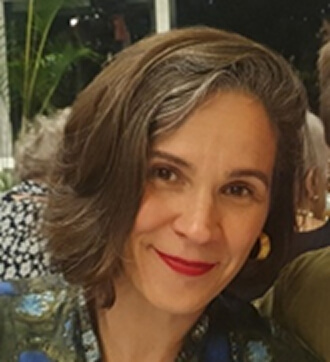
Alison Bell
Associate Publisher, Wiley
1. What is the role of AI in research & publications? (Dr. William Holzemer)
Welcome to this seminar on issues related to AI (artificial intelligence) and publishing. We are living in a new world with the implementation of many different types of AI programs and products. Issues that we thought were settled are now open for discussion and potential re-inventing. For example, as an author and you choose to utilize an AI product in the preparation of a manuscript or the delivery of a research study, how should you cite this source? This question is explored by the presenters in this seminar. Enjoy!
2. Artificial intelligence and fake papers (Dr. Sarah Elaine Eaton and Dr. Marie Soulière)
The rise in the role of artificial intelligence (AI) in the writing, creation and complete production of research
papers has taken the publishing world by storm in the last year. This has significant implications for research
integrity, and the need for improved means and tools to detect fraudulent research. The advent of fake papers and
the systematic manipulation of peer review by individuals and organization has led editors and publishers to create
measures to identify and address several of these fraudulent behaviors. However, the detection of fake papers
remains difficult as tactics and tools continue to evolve on both sides.
With the proliferation of paper mills (profit oriented, unofficial and potentially illegal organizations that
produce and sell fraudulent manuscripts that seem to resemble genuine research) and the recent release of advanced
writing and image creation tools, we are raising for discussion in this forum various ethical questions surrounding
the use of AI for both fake paper creation and the production of papers based on valid research. We encourage
discussion of the aspects of authorship, bias, originality, and using AI tools to counteract AI fraud.
3. Emerging AI dilemmas in scholarly publishing (Dr. Marie Soulière and Dr. Hong Zhou)
Early debates centered principally around AI-assisted language tools aimed at enhancing clarity of academic writing,
detecting plagiarism, or simplifying administrative editorial processes. Today, in 2025, we are confronted with more
sophisticated developments that touch almost every step of a research article’s life cycle. AI technology presently
shapes not only the manuscripts themselves, such as drafting entire sections, enhancing analytical workflows,
producing visual data and multimedia content, but also intervenes directly into the critical stages of peer review
and editorial selection.
With this widening AI influence, new ethical concerns continually arise. How much disclosure is sufficient to
transparently represent the AI technologies involved in research production and dissemination? Should editors place
explicit limits upon authors’ use of generative AI? How will such standards be fairly enforced across diverse
communities with differential access and expertise? How can researchers, reviewers, editors, and publishers maintain
integrity and balance between efficiency, fairness, accuracy, and accountability?
Attendees at the July 2025 COPE Forum discussed critical new issues surrounding AI’s role in publishing. Engaging
with publishing professionals, editors, researchers, and ethicists, we discussed key accountability measures,
emerging tools and guidance to ensure ethical standards in an environment increasingly shaped by AI.
4. Beyond detection: Responsible use of AI across peer review and authorship (Dr. Marie Soulière and Dr. Hong Zhou)
From an early sense of optimism about AI tools and a focus on AI use by authors, the community is now seeing a shift to the responsible use of AI by reviewers and publishers. In particular, AI is reshaping how we approach peer review, transparency, and trust in the scholarly community. Marie and Hong discuss tools to detect AI use and their potential pitfalls and limitations; what editors and publishers can do if they detect undisclosed or inappropriate use of AI; and what authors, reviewers, editors, and publishers should disclose in order to encourage transparency. By keeping their processes and decisions under constant review and taking responsibility for their outcomes, publishers can help to educate users and rebuild the trust in scholarly publishing that has been unsettled by the rapid evolution of AI.
5. AI, general guidance & best practice for authors (Ms Alison Bell)
Wiley supports the responsible and effective use of AI by authors. We believe AI tools can be utilised in manuscript preparation in ways that preserve the author’s authentic voice and expertise; maintain reliable, trusted content; safeguard intellectual property and privacy; and uphold ethics and integrity best practices. As the research community looks to publishers to provide guidance on the safe and responsible use of AI, and for support to avoid its pitfalls, Wiley continues to develop best practice resources and respond to common author questions on the thoughtful and ethical use of AI tools, including human oversight, disclosure, rights protection and safety as well as practical advice on assessing and comparing available AI tools.
受講方法
Web受講
予め録画したものをID・パスワード付で配信いたします。
受講サイトURLとID・パスワードをメールでご案内いたします。資料は各自ダウンロードもしくは印刷してください。
配信期間中は何度でもご視聴いただけます。
受講期間
2025年12月15日(月)正午 配信開始~2026年1月31日(土) 配信終了予定
定員
人数制限なし
参加費
会員: 無料
看護基礎教育課程(大学、短期大学、専門学校等)の学生: 無料
※大学院生等は、会員または非会員のいずれかでお申し込み下さい。
非会員: 2,200円(税込)クレジットカード決済のみ
参加申込
2025年12月15日(月)正午より申込を開始いたします。
受付期間:2025年12月15日(月)正午~2026年1月28日(水)
次のボタンより申込サイトにお進みください。
注意事項
- 一度納入された参加費の返金はできませんので、予めご了承ください。
- 会員の方は、会員マイページのID・パスワードが必要になります。事前にご準備ください。
※会員マイページID・パスワードをお忘れの方は、 こちら - 会員の方が非会員で登録された場合、非会員料金となります。
問い合わせ先
JJNSセミナー事務局
E-MAIL: jjns-seminar@primeassociates.jp
 Japanese
  English